Planning a Himalayan trek always starts with one practical question: How much will it actually cost me? The Langtang Valley Trek is often called one of Nepal's most affordable high-altitude adventures, but affordability doesn't mean guesswork.
Langtang Valley looks gentle on paper. Forests, rivers, wide paths, small villages. But money worries travel faster than tired legs. When the budget is unclear, trekkers start counting every cup of tea instead of enjoying the mountains.
In 2026, the cost of the Langtang Valley Trek is still reasonable compared to Everest or Annapurna. Independent trekkers usually spend around $700 to $900 USD, while guided or more comfortable private treks fall between $1,200 and $1,800, depending on services, duration, and transport choices. Below is how those numbers actually break down on the trail.
Permits: The First Fixed Expense
A valid permit is required to enter Langtang. The cost of getting permits is a fixed and known component of the trek budget and can easily be calculated.
There are two permits you will need to get.
The first one is a TIMS (Trekkers' Information Management System) card, which costs approximately $20 for independent trekkers from foreign countries.
The price is lower for those travelling in groups or for nationals from SAARC countries.
The second permit is called the Langtang National Park Entry Permit. This permit costs around $30 plus Value Added Tax (VAT).
You can usually obtain both permits at the Nepal Tourism Board office located in Kathmandu. However, some trekkers prefer to wait until they reach Syabrubesi (the trailhead) to obtain the permits, although this could result in increased cost and an unnecessary delay. Most agencies handle the paperwork for you if you provide a passport copy and photo. Plan around $50 per person for Langtang Valley trekking permits.
Transportation to Syabrubes
The trek begins with a long drive from Kathmandu to Syabrubesi. It's roughly 120 kilometres, but it can take most of a day depending on road conditions. Local buses are the cheapest option, usually around $10 one way. They are slow but functional. Tourist buses are slightly more comfortable and cost $10 to $12. Private jeeps cost around $150 one way, but when shared among a small group, they become practical and comfortable.
Most trekkers spend $30 to $70 round trip. This transport cost is a normal part of the Langtang Valley Trek cost and should be included early in your planning.
Accommodation: Teahouse Life in Langtang
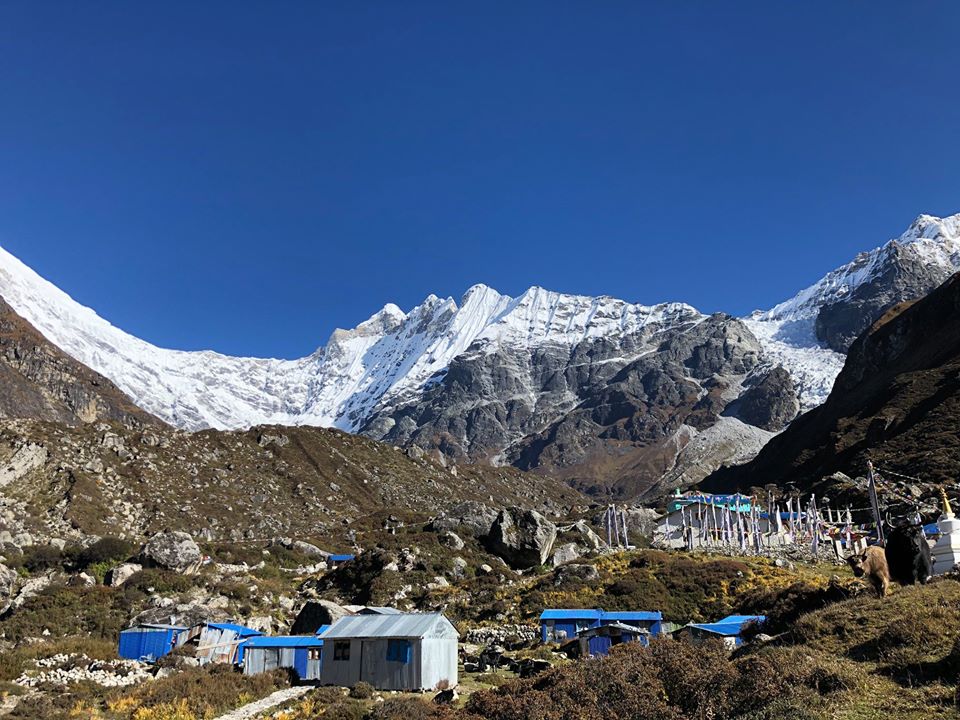
Accommodation along the Langtang route is simple and traditional. Teahouses are family-run and vary with altitude and season.
At lower elevations, rooms usually cost $12 to $15 during peak season. Higher up, prices drop, sometimes as low as $3 to $5 when the trail is quiet. Many lodge owners reduce room prices if you eat all your meals with them. This is common, but never guaranteed. Always ask politely and agree beforehand.
A typical Langtang Valley Trek itinerary includes 8 to 11 days, meaning accommodation remains a smaller portion of overall Langtang trek expenses compared to food.
Food and Drinks: The Daily Cost That Adds Up
Food is where trekkers feel the budget most clearly. At lower altitudes, breakfast costs $2 to $3. Higher up, expect $5 to $6. Lunch and dinner usually range from $6 to $12, depending on altitude and appetite.
Dal bhat is still the most practical meal on the trail. It's filling, nutritious, and usually comes with refills. After a few long days, most trekkers stop experimenting and stick with it. Plan $25 to $35 per day for food. This is a realistic estimate for Langtang trek expenses in 2026. Bring snacks from Kathmandu and use water purification tablets. Bottled water becomes expensive and unnecessary.
Trek Duration and Budget Impact
On average, most treks in Langtang last between 8 and 11 days. Therefore, the longer one is on trek, the more expenses are incurred for food, lodging, and guides or support personnel.
Several people attempt to shorten their trek in an effort to save money; however, this usually results in becoming fatigued and taking unexpected rest days, thereby adding even more expense to the overall cost of your Langtang Valley Trek. A slower overall pace generally allows you to stay within a reasonable budget for the Langtang Valley Trek.
Guides and Porters: Practical Support in the Mountains
Langtang is not technically difficult, but weather, trail conditions, and lodge availability change quickly.
A licensed guide usually costs around $30 per day. A porter costs about $25 per day and carries 20 to 25 kilograms. Guides do far more than show the path. They arrange accommodation, communicate with locals, monitor health, and adjust plans when conditions change. For many trekkers, this becomes the most valuable part of the Langtang Valley Trek cost.
Tipping 10 to 15 percent at the end of the trek is customary for good service.
Insurance and Safety
Langtang Valley is remote. Insurance is not optional.
A policy covering trekking, medical emergencies, and helicopter evacuation usually costs around $150 for a month. If a helicopter rescue is not clearly included, the policy is not sufficient.
This is one of the most important but often overlooked parts of the Langtang Valley Trek budget.
Small Costs People Forget Some expenses are easy to overlook:
Charging phones or cameras: $2 to $5
Souvenirs or small donations, Extra tips for exceptional service These do not define the cost of the Langtang Valley Trek, but they are part of the real experience.
How to Keep Langtang Trek Expenses Reasonable A few simple choices help:
Carry snacks and tea from Kathmandu Pack light to reduce porter needs Use a power bank or solar charger
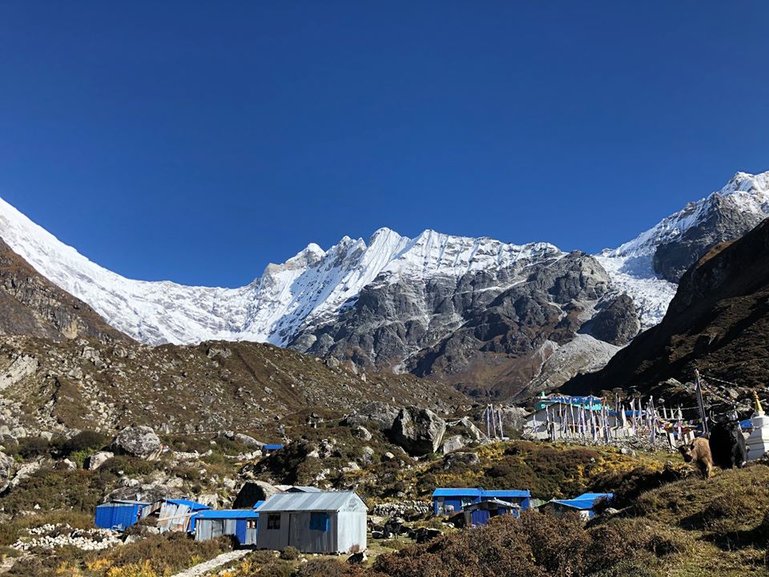
Langtang Valley Trek
Rent gear instead of buying
Travel in late September or late April–May if possible
Saving money in Langtang is about preparation, not discomfort.
Sample Langtang Valley Trek Cost 2026
Budget Independent Trek: $700–$900
Local transport, basic teahouses, no guide or porter
Standard Guided Trek: $1,200–$1,500
Licensed guide, porter, steady pace
Premium Private Trek: $1,800+
Private jeep, flexible itinerary, upgraded services
These figures reflect realistic costs for an 8 to 11-day Langtang Valley Trek in 2026.
Final Thoughts
When you begin your trek to Langtang Valley, you do not simply walk; instead, you have the opportunity to immerse yourself in both culture and discover who you are. Proper budgeting is the way to turn your trek from just another hike into a complete experience of the Himalayan range. Proper planning also allows you to conserve your energy for exploring rather than worrying about how you will get around when it rains and where you will sleep on rainy nights, etc. Be sure to prepare for your trek, and Langtang Valley will offer you and every other trekker the experiences of a lifetime.