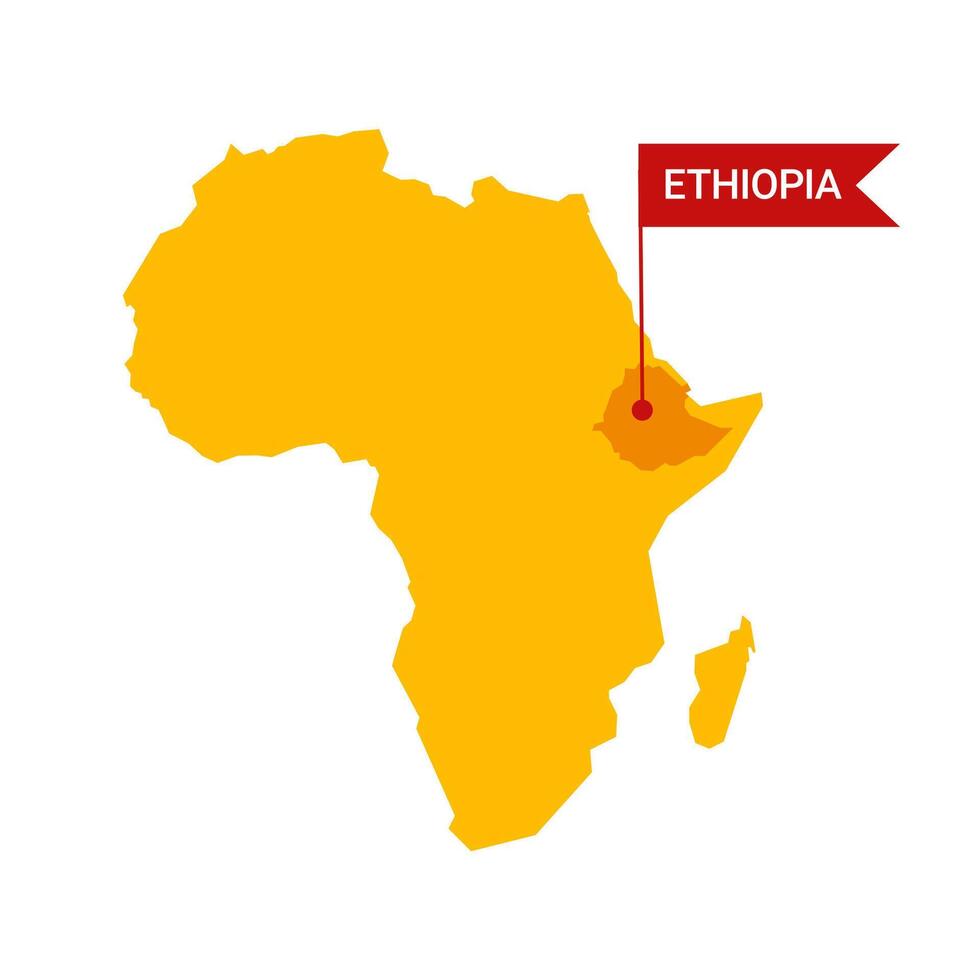
Ethiopia is one of the most rewarding countries in Africa for travelers looking for history, culture, trekking, wildlife, and authentic local experiences. However, unlike many destinations, Ethiopia is not a place where you can simply book random hotels and move freely without planning. Distances are large, road conditions vary significantly by region, and combining destinations requires some logistical understanding.
The first mistake many travelers make is underestimating travel times. For example, although places may look close on a map, routes between the Omo Valley, Lalibela, Simien Mountains, Danakil Depression, and Addis Ababa require either domestic flights or carefully coordinated overland travel.
For a balanced 2-week Ethiopia trip, I usually recommend combining 3 major experiences instead of trying to see everything:

Lalibela Rock Hewn Church
1. Historic North
Visit Addis Ababa, Bahir Dar, Gondar, and Lalibela for monasteries, castles, ancient churches, and Ethiopian Orthodox heritage.
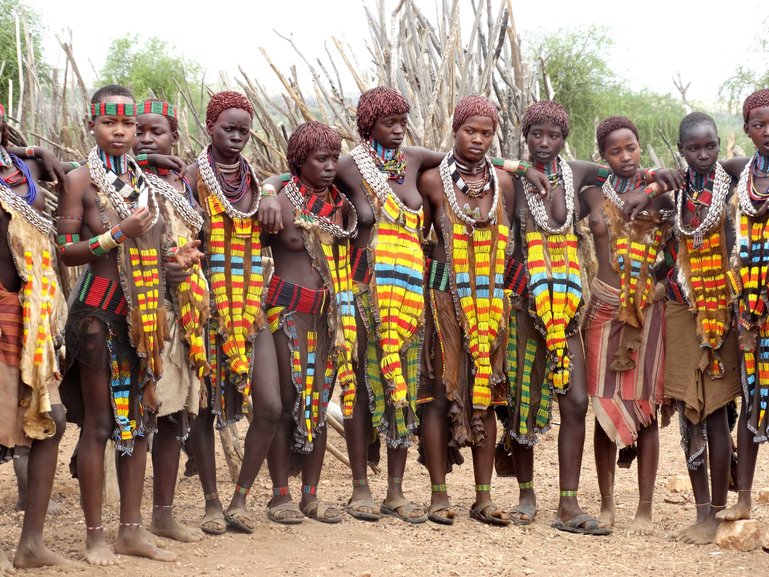
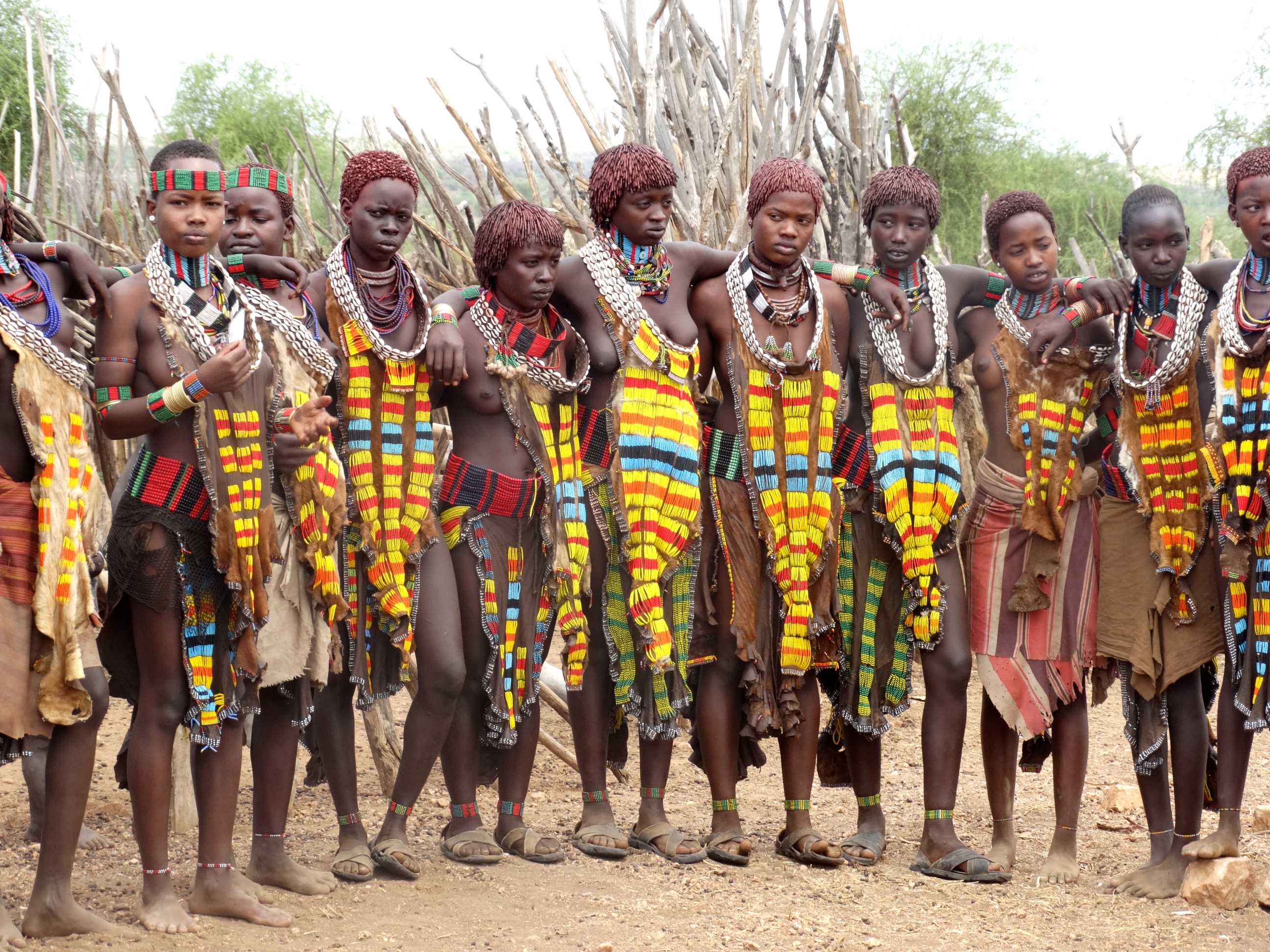
Hamer Tribes
2. Southern Ethiopia & Omo Valley
Travelers interested in indigenous cultures should visit Arba Minch, Konso, Turmi, Jinka, and nearby tribal communities such as Hamer, Mursi, Karo, and Dassanech.
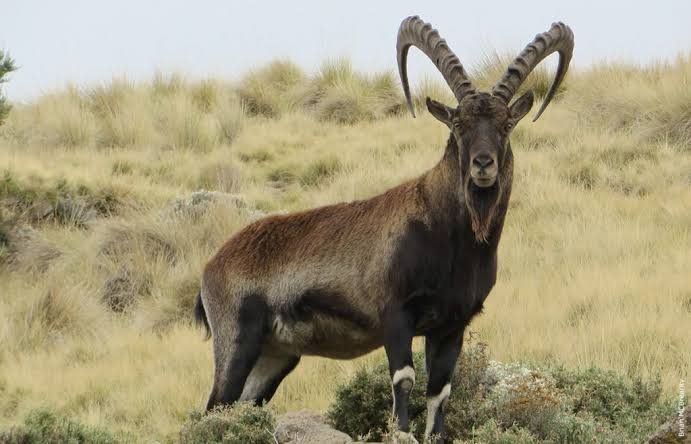
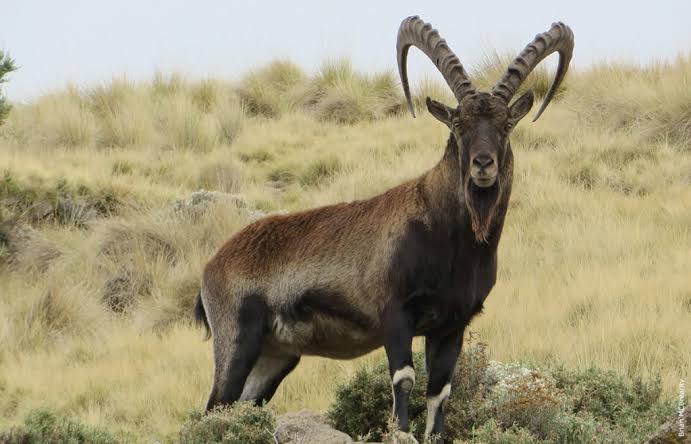
Walia Ibex, Simien Mountains
3. Soft Adventure or Trekking
Add Simien Mountains for trekking or Bale Mountains for wildlife and alpine scenery.
Domestic flights with Ethiopian Airlines save enormous time, especially if you arrive internationally with them, as local flight prices are often much cheaper for international ticket holders.
Cash is still essential outside Addis Ababa. ATMs can be unreliable in remote areas, and many lodges or local vendors do not accept cards.
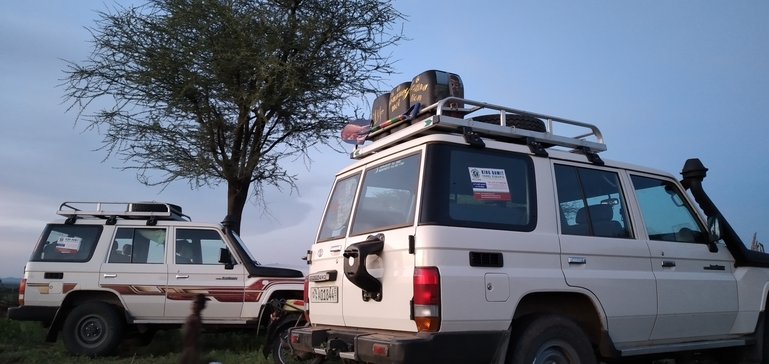
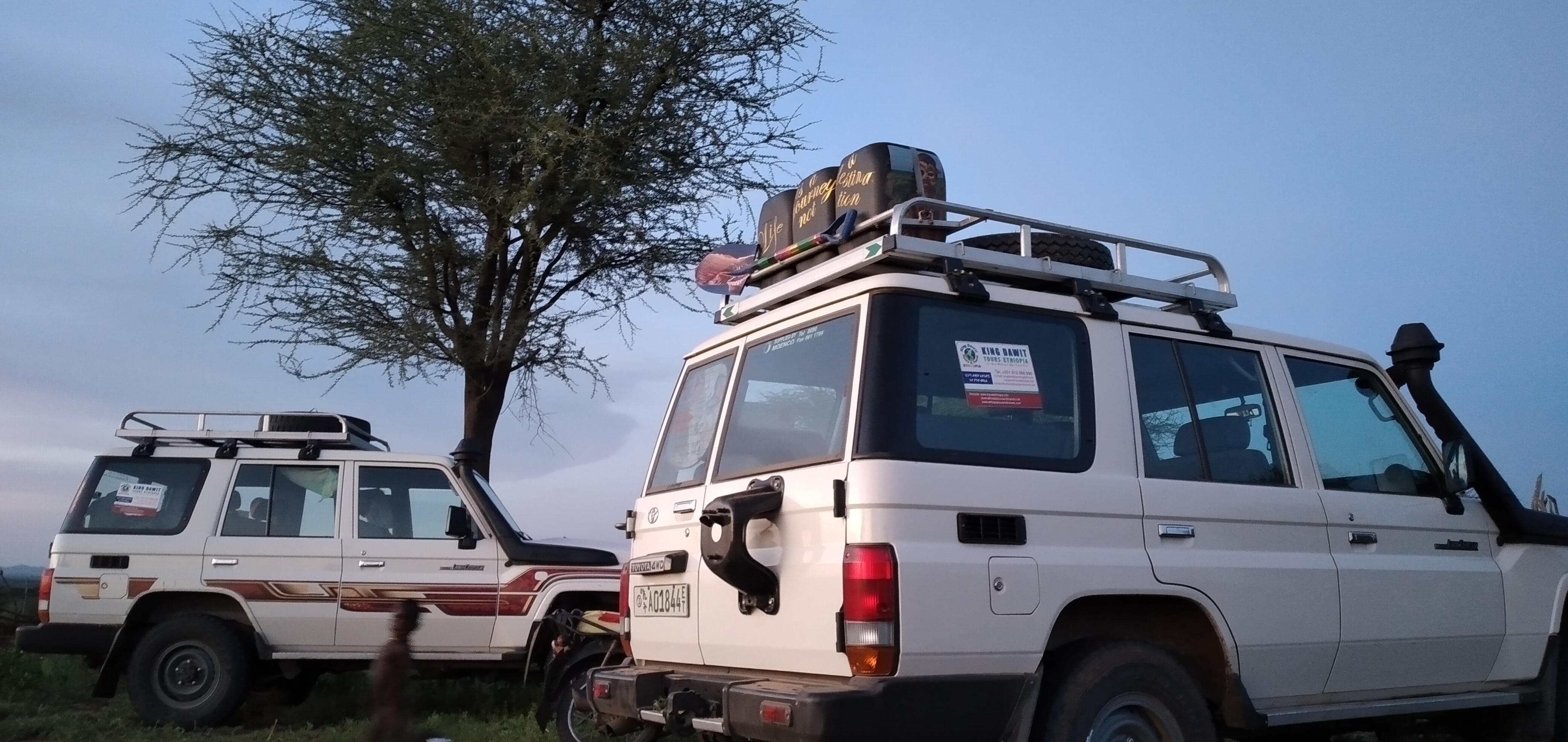
4WD vehicles for Off-road Trips
A private vehicle with driver-guide is often the most efficient option for southern routes. Self-driving is generally not recommended for first-time visitors.
Also, Ethiopia is highly seasonal. October to February is generally ideal for most regions, while Danakil expeditions are best between November and February due to extreme temperatures.
One final recommendation: work with a local operator that understands route sequencing, accommodation standards, permits, and regional logistics. This saves travelers both time and money while avoiding itinerary mistakes. Ethiopia rewards travelers who plan well. If you organize your route strategically, two weeks can offer one of the most diverse travel experiences in Africa.