I grew up watching my tío disappear into the pulquería on the corner every Saturday afternoon, emerging hours later with stories and a slightly crooked grin. That blue-painted doorway, with its faded mural of an agave plant, was my first lesson in how this city drinks.
Not quickly, not loudly, but with intention. In Mexico City, beverages aren't just drinks. They're more like personal rituals, and reasons to sit down and actually talk to each other.
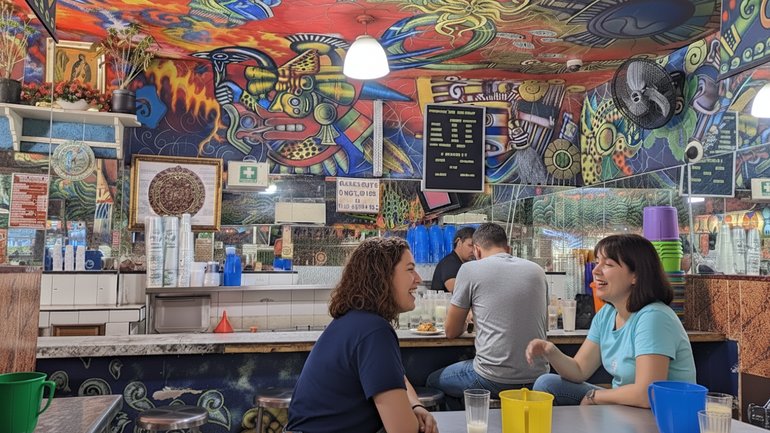
Pulqueria Mexico
What Makes Mexico City's Beverage Traditions Unique?
The way we drink here follows the clock and the calendar in ways tourists rarely notice. Monday through Thursday, you'll find neighborhood cantinas and pulquerías quietly filled with regulars nursing their drinks between work shifts.
Weekends mean mezcal bars in Roma Norte and craft beer gardens in Juárez. We drink in groups here. Even when someone arrives alone, they rarely stay that way. A beer without botana feels incomplete. Mezcal without conversation feels wasteful.
Pulque: The Oldest Drink You'll Meet in CDMX
Pulque is fermented agave sap, milky and slightly sour, with an alcohol content that sneaks up on you. The Aztecs drank it ceremonially. Now we drink it because it connects us to something older than the city's concrete.
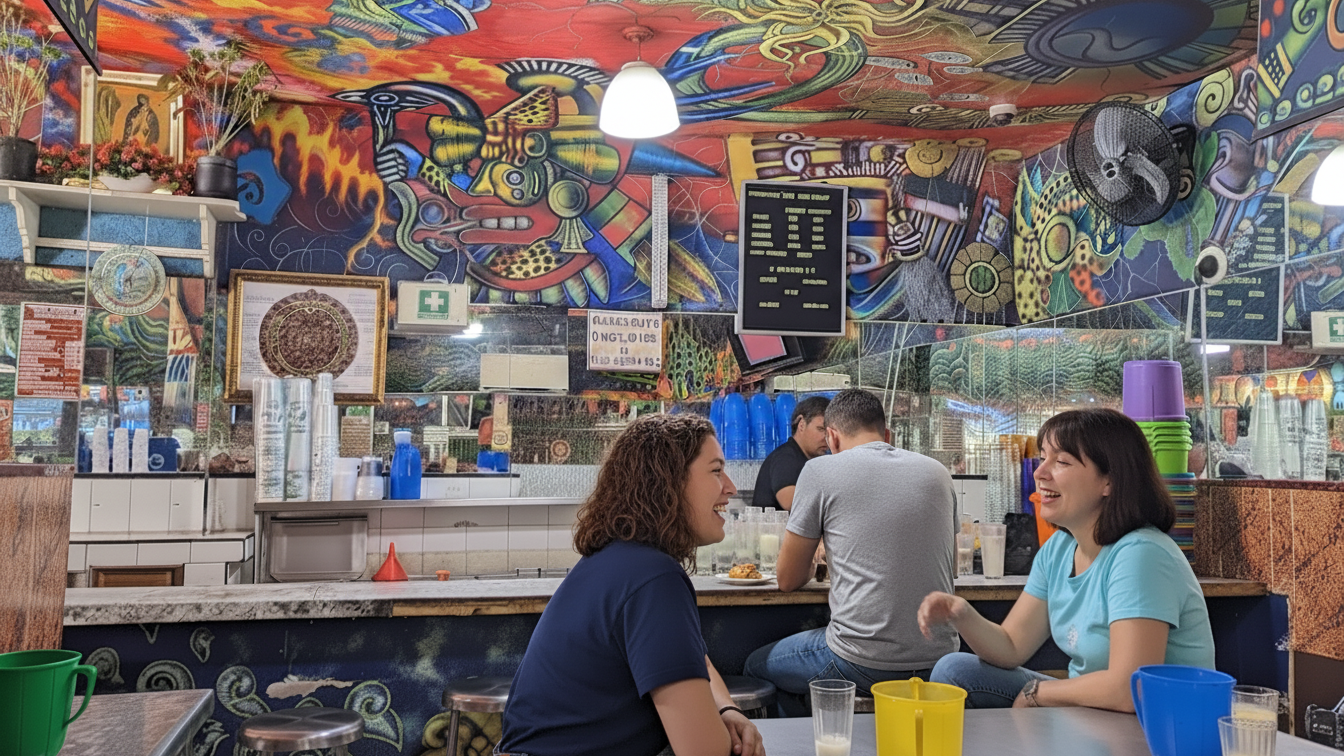
Traditional pulquerías have sawdust floors and hand-painted signs listing flavors: oatmeal, celery, guava, pineapple. The unwritten rules are simple. Don't take photos without asking. Don't complain about the viscosity. Do order a curado if you're new to it; the fruit masks the funk.
In the Centro, Las Duelistas is one of the most iconic modern pulquerías, known for its mural-covered walls. In the Centro, La Risa pulls in everyone from students to construction workers. The drink itself is an acquired taste, but the atmosphere is immediately welcoming. You'll see people playing dominoes, arguing about fútbol, and drinking from clay mugs that have been refilled ten thousand times.
Mezcal: Small Copitas, Big Conversations
Tourists shoot mezcal like tequila. Locals sip it like wine. The difference matters. When you're handed a copita, you're supposed to smell it first, roll it around, then take a small sip and let it rest on your tongue. The smokiness comes from roasting the agave hearts in underground pits. The complexity comes from wild fermentation and small-batch distillation. A good server or knowledgeable local guide will explain the region, the agave varietal, and whether you're drinking espadín or tobalá before you even taste it.
Real mezcalerías don't rush you. Bósforo near the Centro and Alipús in Roma are where locals go when they want to sit with a bottle and actually learn something.
You'll notice people ordering mezcal with orange slices and sal de gusano, not lime and salt. That's not snobbery. It's just how it's done. The mezcal should taste like earth, smoke, and fruit. If it tastes like gasoline, you're in the wrong place.
Craft Beer in the Capital: Not Just for Hipsters
Ten years ago, beer in Mexico City meant Corona or Modelo. Now it means IPAs brewed in Narvarte and sour ales served in refurbished warehouses.
The craft beer boom happened because a generation of young brewers returned from studying abroad and refused to accept bland lager as the only option. It wasn't one moment; it was dozens of tiny rebellions; homebrewers, backpackers returning from Europe, chefs experimenting after-hours.
They started small, experimental, and deeply local. Now you'll find breweries using Mexican hops, cajeta, hibiscus, and even chapulines.
Cervecería Primus and Falling Piano are neighborhood institutions. Locals drink there mid-week after work, sitting at communal tables with tacos from the cart parked outside.
The beer is unpretentious. The atmosphere is louder and younger than a pulquería but more relaxed than a nightclub. If you want to understand who lives in Mexico City now, not fifty years ago, you go to a craft brewery.
So... Do Locals Even Drink Margaritas?
Honestly? Not that often. The margarita is a border drink, a Tex-Mex invention that became synonymous with "Mexican" in the United States. It's not that we dislike them. It's that we have other priorities.
When locals do order margaritas, it's usually at a nice restaurant with friends visiting from out of town, or at a rooftop bar in Polanco where the prices already assume you're a tourist. The margaritas there are fine, sometimes excellent. But they're not what we reach for on a Tuesday night.
Zona Rosa vs the Real Local Scene
Zona Rosa is where tourists end up when they Google "nightlife in Mexico City." It's loud, flashy, and designed for people who want to drink without thinking too hard. Locals avoid it unless they're meeting someone who insists. The real drinking culture lives in Roma, Condesa, Juárez, Narvarte, and Coyoacán.
These neighborhoods have cantinas that opened in the 1940s next to mezcal bars that opened last year. You'll find families eating tlacoyos at outdoor tables while twenty-somethings debate politics over craft beer. It's layered, messy, and worth your time.
What to Pair With What: Street Food and Beverages
Pulque with carnitas makes sense because both are rich and heavy. The acidity cuts through the fat. Mezcal with tacos al pastor is a classic for a reason: the smoke complements the charred pineapple and adobo spices.
Craft beer works with anything fried, especially quesadillas and tlacoyos from street vendors in Narvarte. Late at night, after the bars close, locals head to taquerías and order Coca-Cola with their suadero tacos because, at that point, the goal is survival, not sophistication.
How Knowledgeable Hosts Enrich the Experience
Walking into a pulquería or mezcalería without context can feel intimidating. The menus are minimal. The etiquette is unspoken. That's where a knowledgeable local host becomes invaluable, not as a tour guide in the commercial sense, but as someone who explains why you don't rush the mezcal or why you should try the curado de avena even though it sounds strange.
These hosts provide cultural translation, help you navigate neighborhood dynamics, and keep you from accidentally offending the bartender. They make the difference between observing the culture and participating in it.
Practical Tips for Drinking in CDMX
Pay attention to your surroundings. Not every neighborhood is equally safe after midnight. Stick to well-lit areas with foot traffic. In cantinas and pulquerías, it's customary to pay at the end, but in bars, you'll often settle your tab after each round.
Tipping is standard, usually ten to fifteen percent. If a place feels uncomfortable or unwelcoming, trust your instinct and leave. And remember: the goal isn't to drink everything in one night. The goal is to drink well, with good company, and come back tomorrow.
Final Takeaway
Mexico City's beverage culture isn't about checking items off a list. It's about slowing down enough to notice the details: the hand-painted signs outside pulquerías, the way a mezcal server explains the distillation process, the sound of bottle caps hitting the floor at a neighborhood cantina.
These moments don't announce themselves. You have to sit still long enough to let them happen. And when they do, you'll understand why my tío spent every Saturday afternoon in that blue-painted doorway, trading stories over drinks that tasted like history.