I distinctly remember the moment the SNCF (TGV inOUI) train rolled out of Paris, slicing through the countryside toward Barcelona. For many, it would have been just another cross-border journey. For me—a lifelong Culer, a devotee of Lionel Messi, and someone who grew up believing FC Barcelona was more than a club—it felt like a pilgrimage.
Barcelona wasn't only a destination on my travel map; it was a dream stitched together from late-night matches, Blaugrana jerseys, and YouTube clips of Messi weaving through defenders as if football obeyed only him. What followed was an emotional, architectural, culinary, and cultural immersion into one of the most magnetic cities in Europe.
From Paris to Barcelona: A Journey of Anticipation
The train ride itself set the tone. As France slowly gave way to Spain, the landscape changed—sunlight grew warmer, colors richer, and there was an unmistakable Mediterranean calm in the air. Barcelona greets you not with spectacle, but with confidence. It doesn't try to impress; it simply is.
Stepping out into the city – late evening as it was - I felt an immediate energy—creative, historic, and youthful all at once. Barcelona has a rhythm that pulls you in. It hums.
A Modest Stay: Barcelona City Centre Hostal
For my stay, I chose Barcelona City Centre Hostal, and it turned out to be one of the smartest decisions of the trip.
Let me be clear: this isn't luxury. There's no chandeliered lobby or infinity pool. But what it offers is something travelers value deeply—cleanliness, comfort, safety, and an unbeatable location.
The rooms were modest but spotless, the beds comfortable after long days of walking, and the staff genuinely helpful. Being centrally located meant I could walk or easily access public transport to almost every major attraction. For budget-conscious travelers, solo explorers, or football pilgrims like me, this hostal is a quiet hero—reliable, affordable, and welcoming.
If Barcelona is your stage, this hostal is a solid backstage pass.
The Pilgrimage of a Culer: Camp Nou and Montjuïc
No visit to Barcelona is complete for a Barça fan without standing at the club's sacred ground. Camp Nou, however, was under construction during my visit—a reminder that even legends must evolve.
While I couldn't step inside, just being near Camp Nou was emotional. I stood there imagining Messi's goals, Xavi's passes, Iniesta's control. It felt like paying respects to a living monument.
Barcelona, however, had an alternative ready.
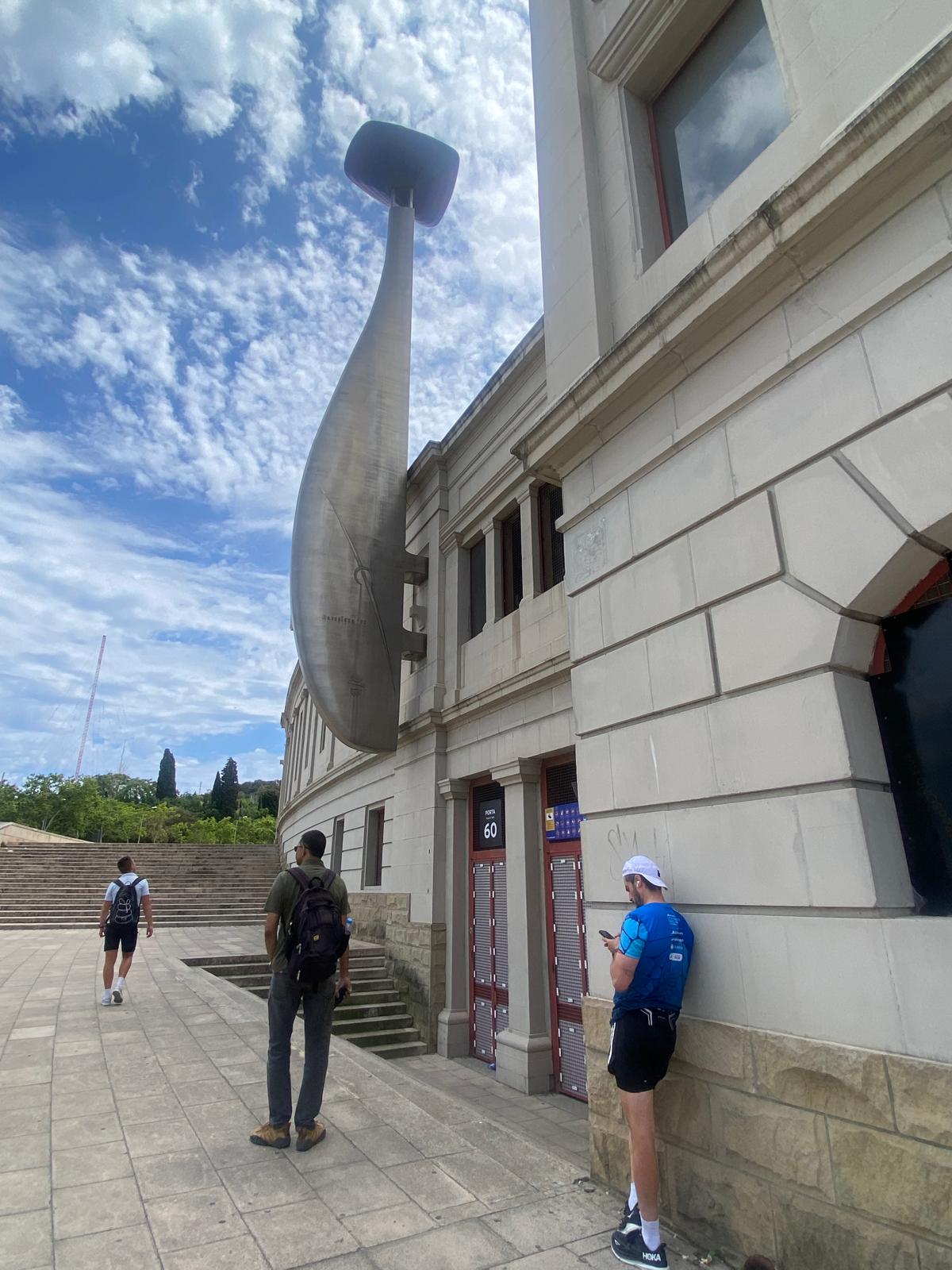
Estadi Olímpic Lluís Companys, Montjuïc
With FC Barcelona temporarily playing at Estadi Olímpic Montjuïc, my journey continued uphill—literally and emotionally.
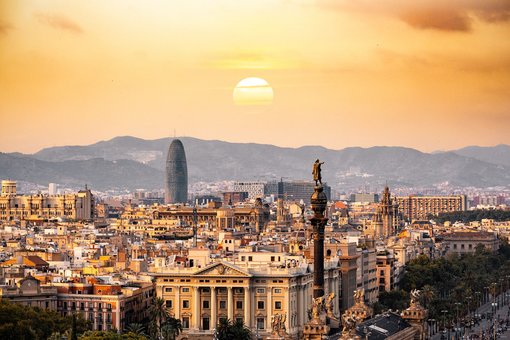
Montjuïc itself is stunning. The stadium sits proudly above the city, offering sweeping views of Barcelona and the Mediterranean beyond. Watching Barça play here must have been felt intimate, historic, and raw. The chants echoed differently, but the passion was the same. Barça isn't bound to concrete; it lives in its people.
For visiting fans, Montjuïc is more than a substitute—it's a reminder of Barcelona's resilience and adaptability.
Gaudí's Barcelona: Where Architecture Dreams
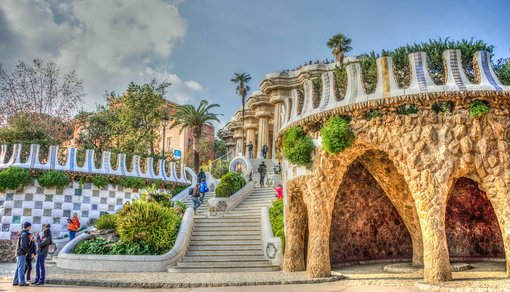
If football is the city's heartbeat, Antoni Gaudí is its soul.
La Sagrada Família: Faith, Stone, and Light
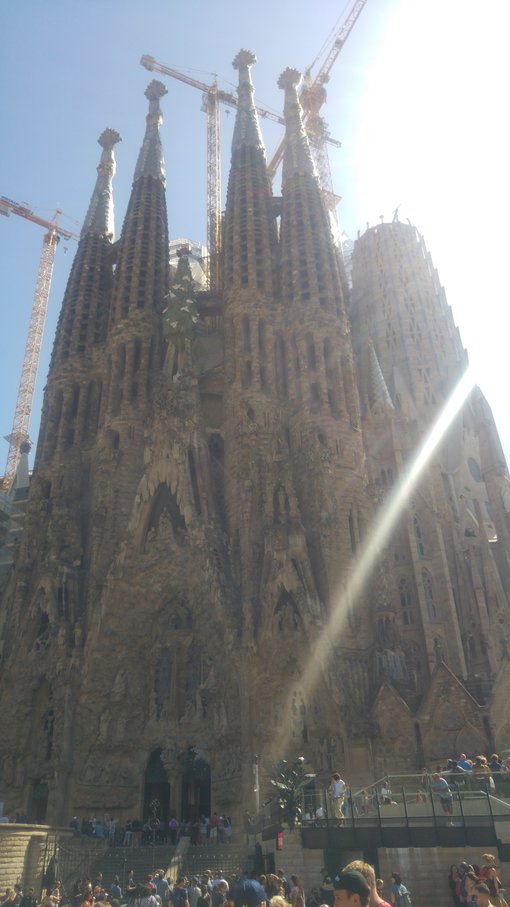
Nothing prepares you for La Sagrada Família.
Photos don't do it justice. Descriptions fail. You must feel it.
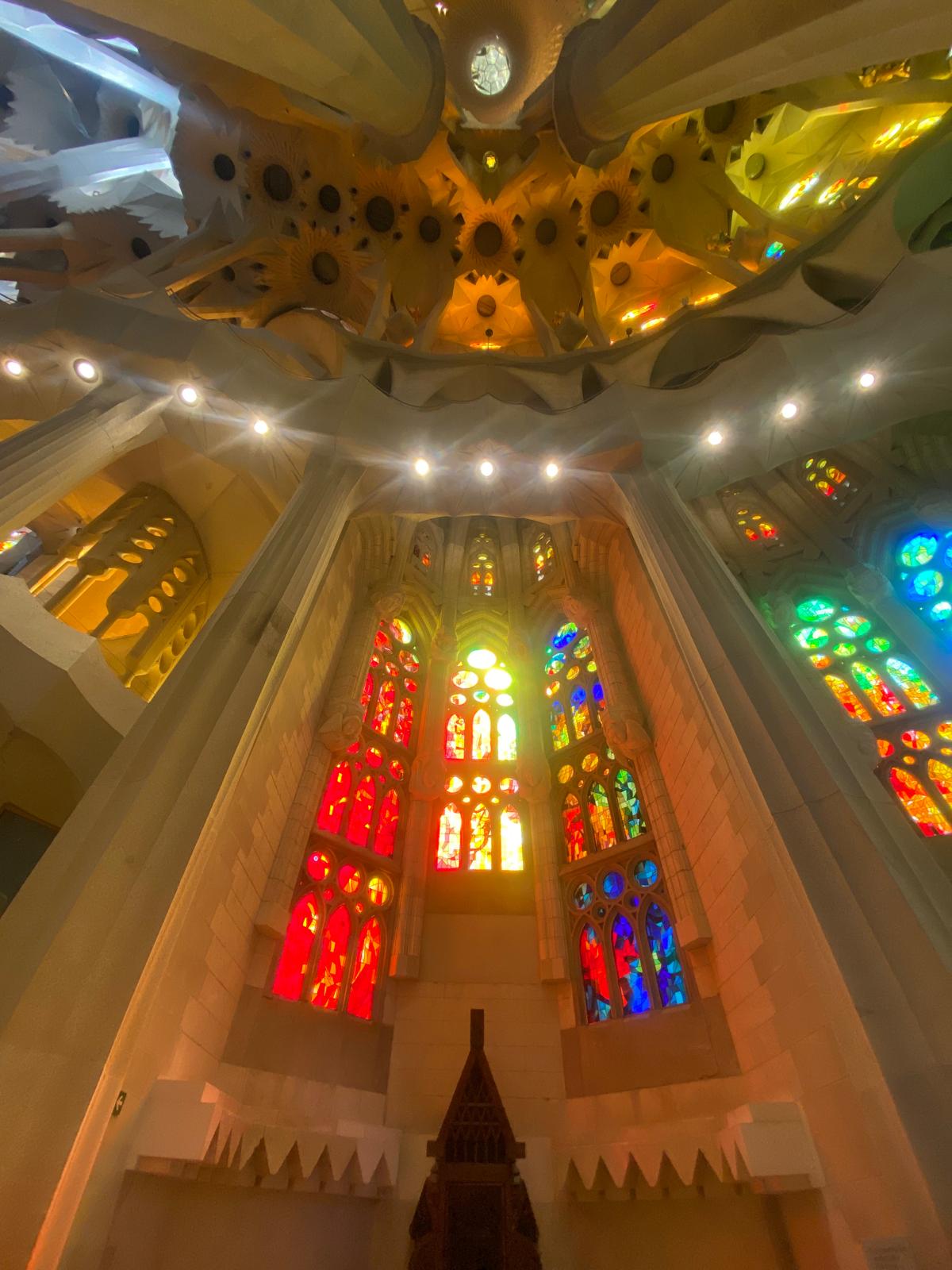
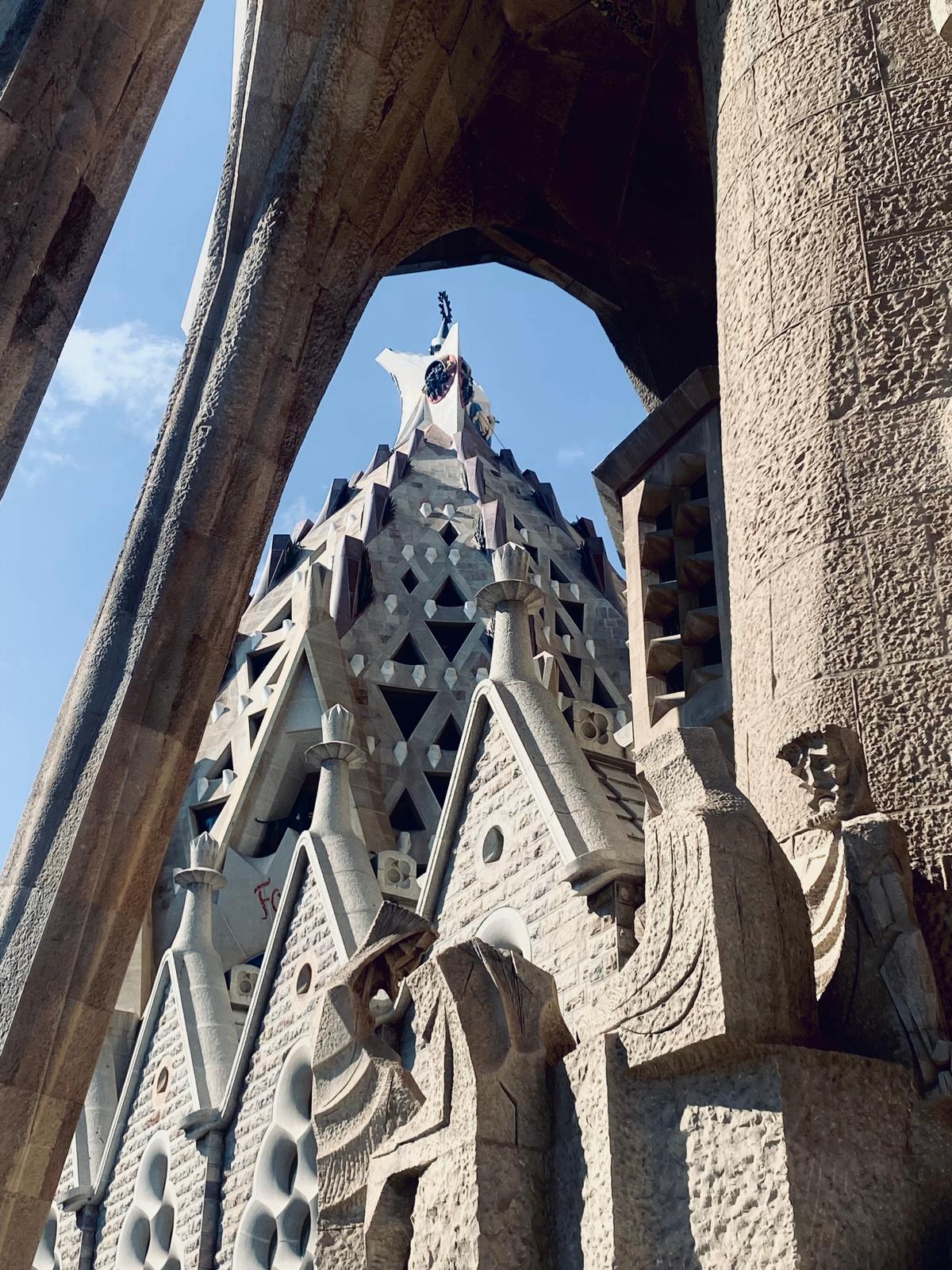
From the outside, it looks like a sandcastle sculpted by God himself—organic, surreal, and alive. Inside, the columns rise like trees, light filtering through stained glass in hues of gold, blue, and crimson. It felt less like a church and more like stepping into a divine forest.
Gaudí's vision—still unfinished after more than a century—symbolizes Barcelona itself: ambitious, patient, and endlessly creative.
Traveler tip: Book tickets in advance. Early morning or late afternoon visits offer the best light.
Casa Batlló and La Pedrera: Living Art
Walking down Passeig de Gràcia feels like strolling through an open-air museum.
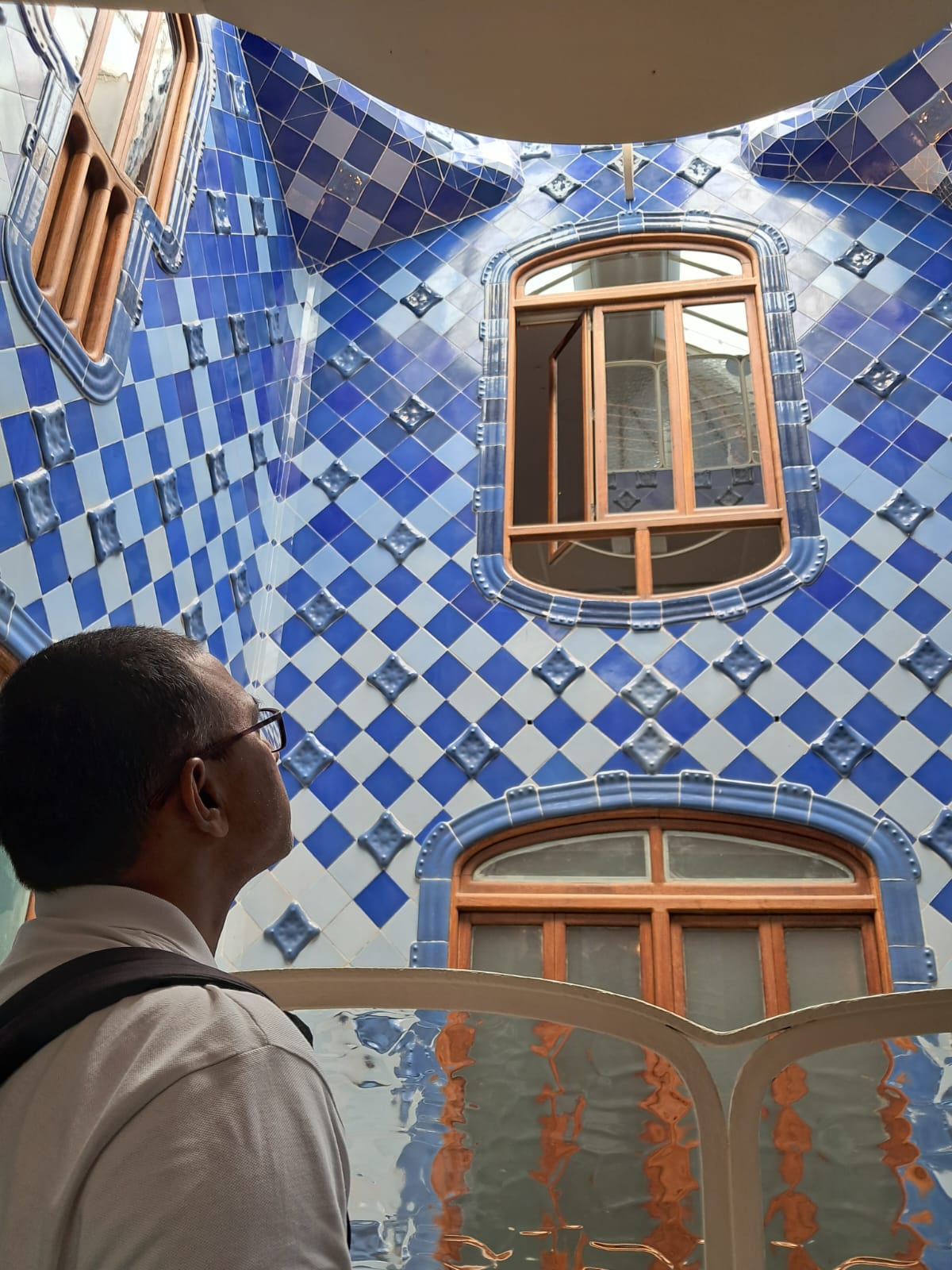
Casa Batlló is whimsical and dreamlike—its façade rippling like water, balconies resembling masks, and roof tiles evoking a dragon's spine. Inside, nothing is straight. Even the doors seem to breathe.
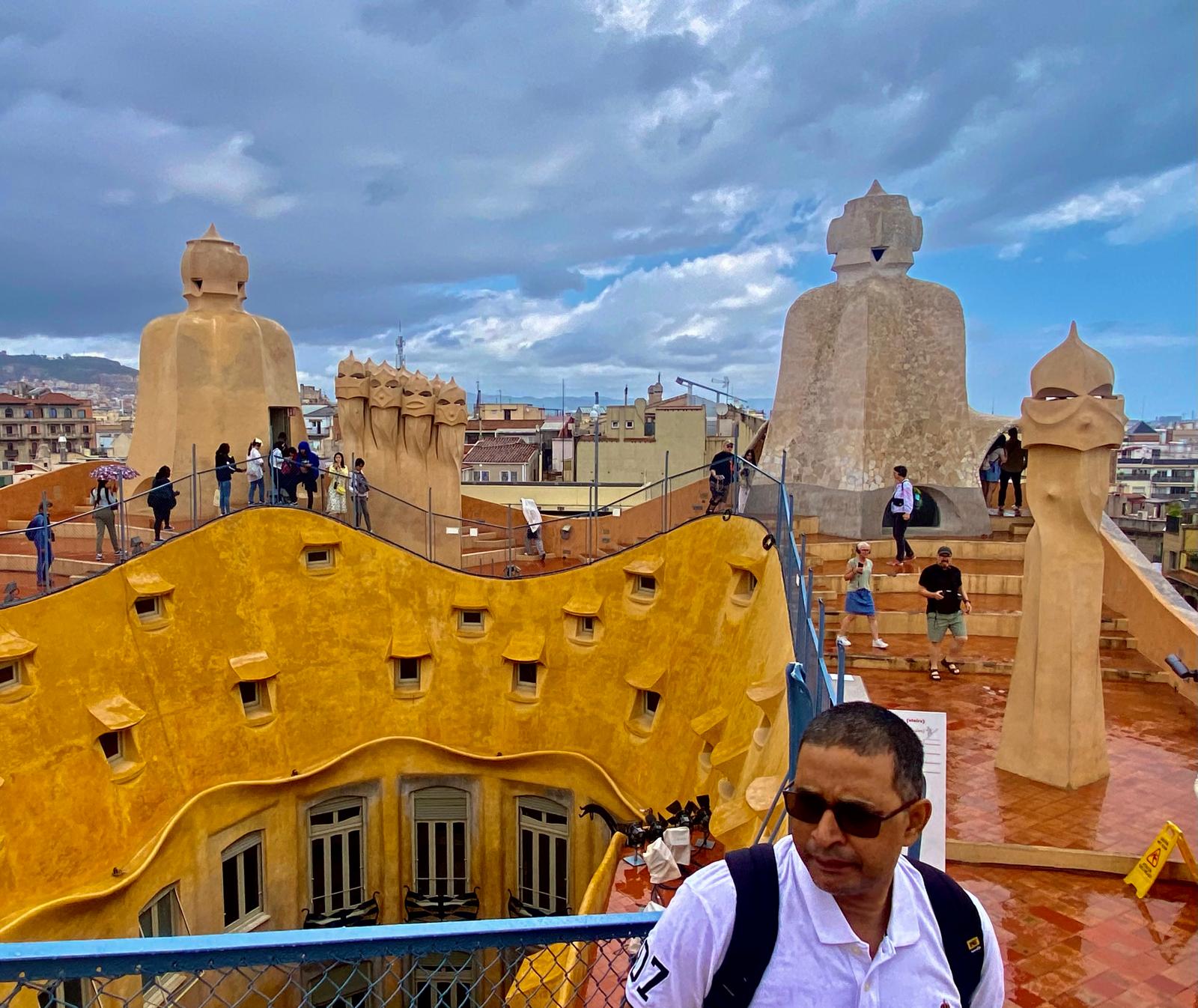
A few blocks away, La Pedrera (Casa Milà) is more grounded yet equally revolutionary. The rooftop, with its surreal chimneys resembling warriors or guardians, is unforgettable. From there, you can see how Gaudí challenged not just architecture, but imagination itself.
Together, these buildings explain why Barcelona can't be simply visited—it's studied, admired, and loved.
Walking the City: From La Rambla to Ciutat Vella
La Rambla: The Artery of Barcelona
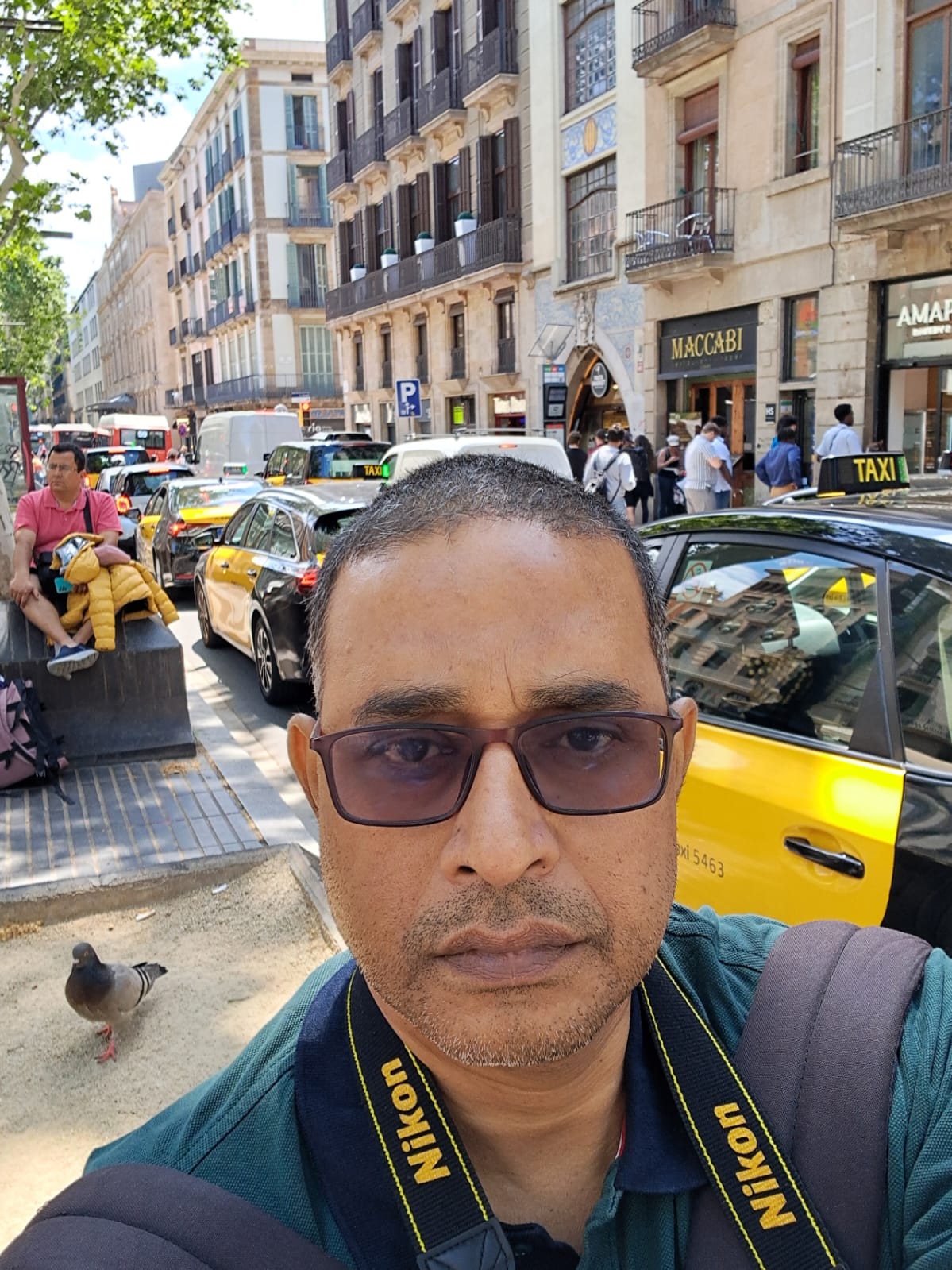
Yes, it's crowded. Yes, it's touristy. But La Rambla is alive in a way few streets are.
Street performers, flower stalls, artists, locals rushing to work—it's chaotic, colorful, and essential. I walked it with all heart, each experience different. Sometimes are calm; early afternoons and evenings are electric.
Ciutat Vella: Where History Whispers
Step off La Rambla and into Ciutat Vella, and the city shifts gears.
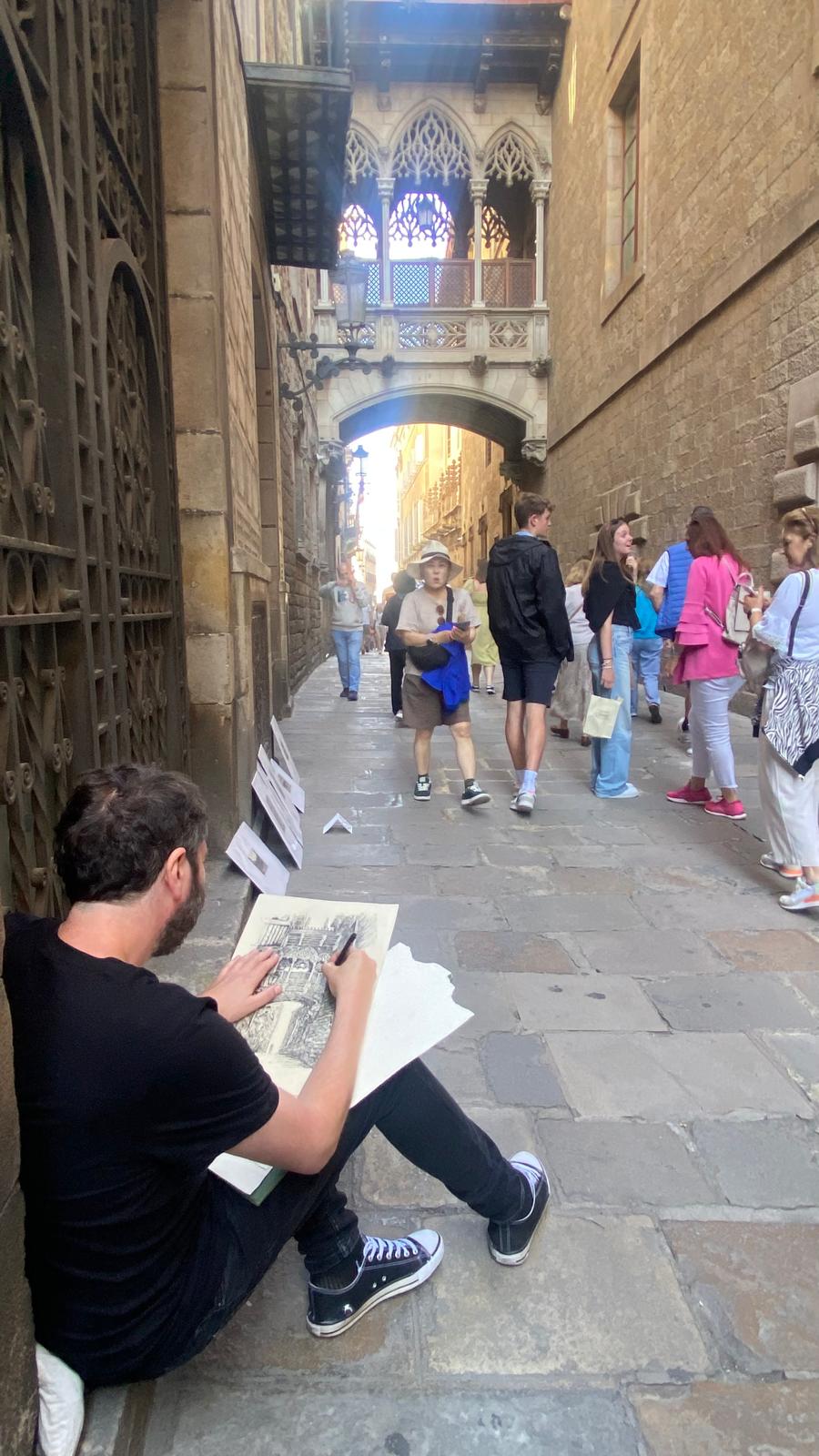
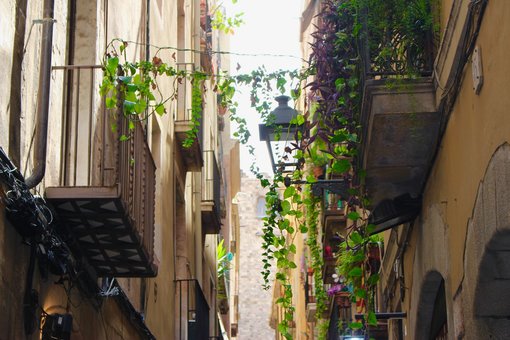
Narrow medieval streets, hidden squares, Gothic architecture—this is old Barcelona, where every corner feels like a secret. I wandered without a plan, discovering small cafés, ancient churches, and moments of quiet that contrasted beautifully with the city's buzz.
Art Beyond Gaudí: Museums That Inspire
Museu Nacional d'Art de Catalunya (MNAC)
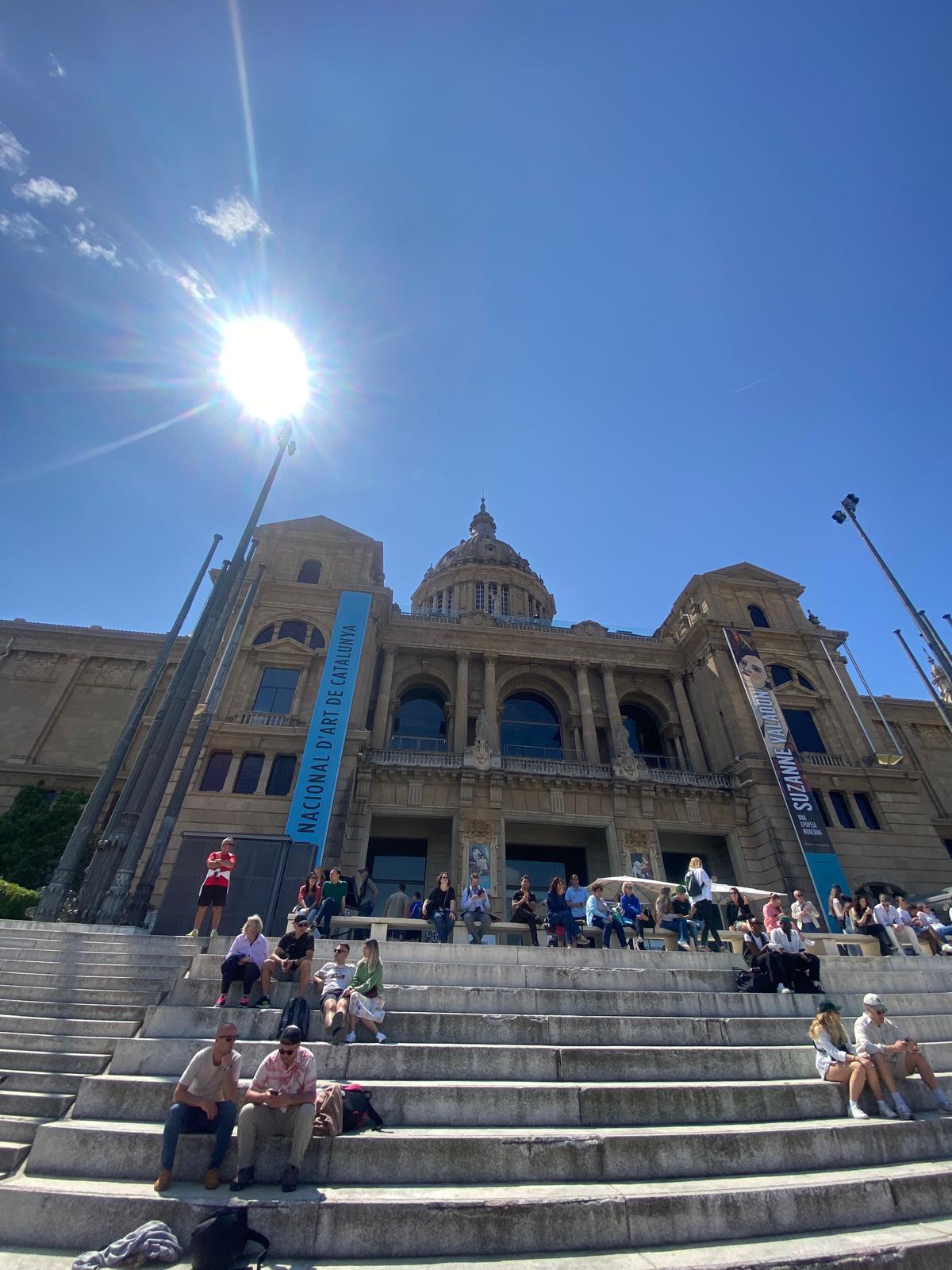
Perched on Montjuïc, MNAC offers not only an incredible collection of Catalan art but also one of the best views in the city.
From Romanesque frescoes to modern works, the museum provides context to Barcelona's cultural identity. Even if you're not a hardcore art lover, the building and location alone are worth the visit.
Fundació Joan Miró
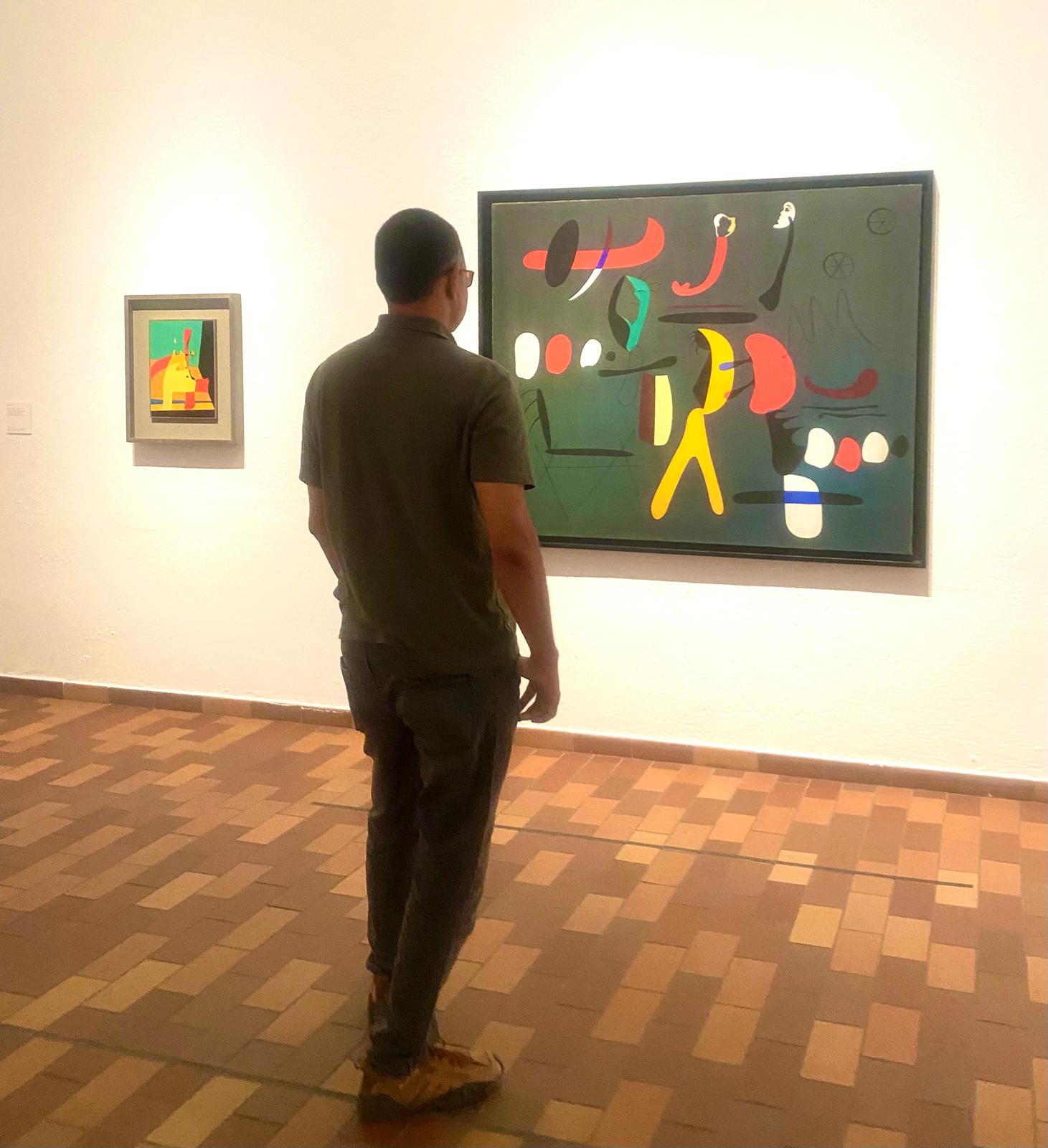
If Gaudí bends stone, Joan Miró bends reality.
The Fundació Joan Miró is playful, abstract, and deeply expressive. His works feel childlike yet profound—bold colors, strange symbols, and emotional freedom. It was refreshing, almost liberating, to experience art that doesn't demand understanding, only openness.
The Mediterranean Pause: Sun, Sand, and Serenity
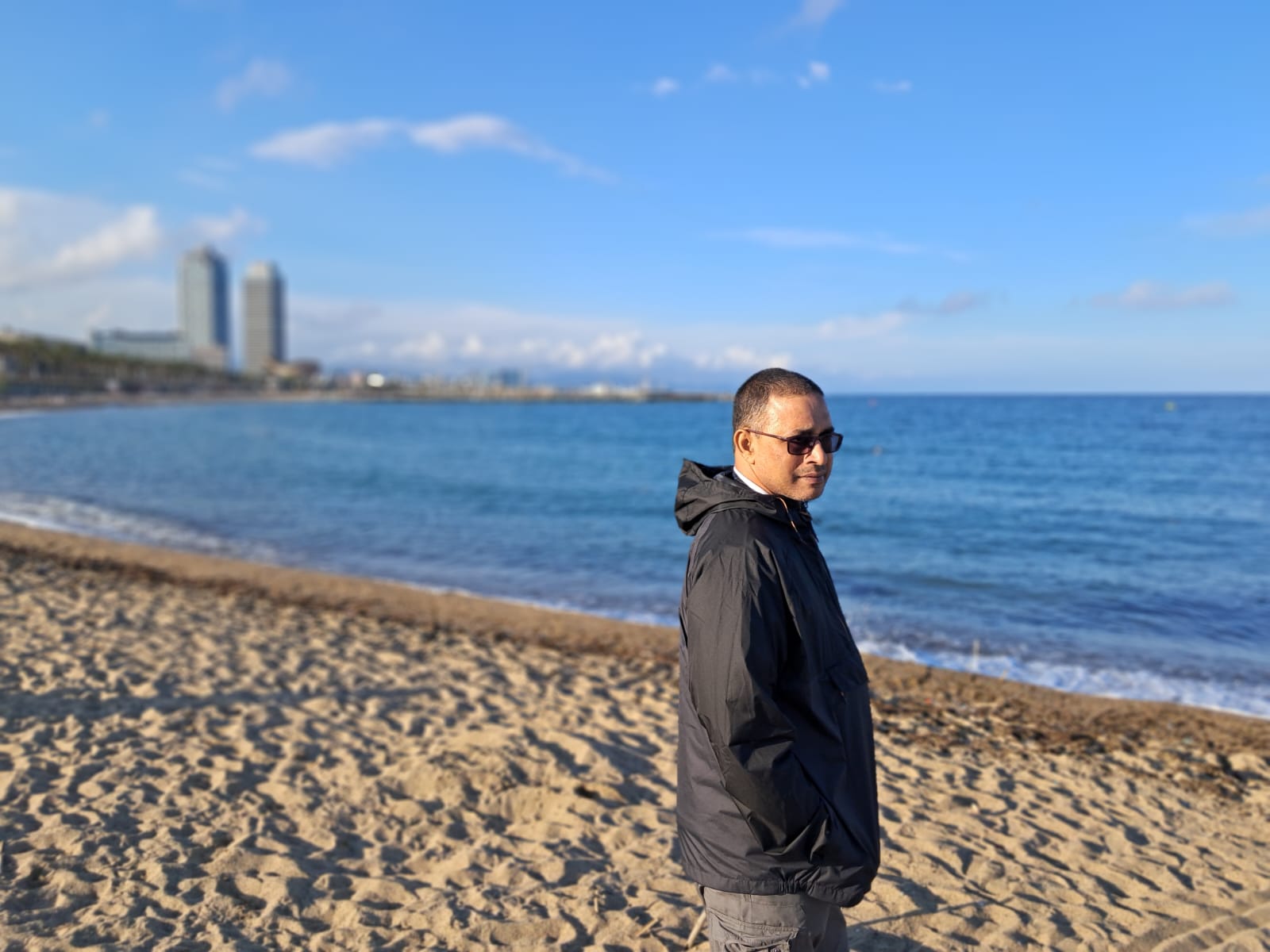
After days of walking and absorbing, Barcelona offers the perfect release—the beach.
The Mediterranean coastline is clean, vibrant, and relaxed. Locals jog, play volleyball, swim, or simply lie under the sun. I sat by the water, shoes off, letting the waves erase fatigue.
Few cities balance culture and coast as effortlessly as Barcelona.
A Taste of Spain: Paella at Mercat de Sant Antoni
No journey is complete without food, and Barcelona delivers.
At Mercat de Sant Antoni, I tasted what I can only describe as a dream on a plate—paella (or as I mistakenly called it once, “Payeela”).
Golden rice infused with saffron, fresh seafood, rich flavors, and that unmistakable depth that only comes from tradition. Eating it surrounded by locals, in a market buzzing with life, made it unforgettable.
Traveler tip: Avoid paella restaurants that lure tourists with pictures. Markets and local spots offer the real thing.
How Barcelona Stays With You
Barcelona isn't just a city you visit—it's one that stays.
· It stays in the echo of chants at Montjuïc.
· In the sunlight pouring through Sagrada Família.
· In the curves of Gaudí's buildings.
· In the taste of paella and the salt of the sea.
· In late-night walks back to a modest, welcoming hostal that feels like home.
For fellow Culers, for art lovers, for food explorers, for first-time travelers—Barcelona offers something deeply personal.
I arrived chasing football and architecture. I left with memories stitched into my soul.
And I know this won't be my last visit.
Because some cities don't let you say goodbye—they only say, “See you again.”